
At BugSplat, we spend our days helping teams stop software and video game crashes. But not every crash is a bug in the code. Some are the kind that take down a whole industry.
In the early 80s, video games were booming in North America. Home consoles had gotten cheap, demand for new games was spiking, and everybody wanted in. Companies scrambled to feed the frenzy. The stage was set for the most famous crash in gaming history.
In 1983, the bottom fell out. A recession hit the video game business hard enough that critics started calling the whole medium a fad. Prominent companies went bankrupt or walked away from games entirely. We remember it now as the Great North American Video Game Crash.
So what actually happened? Why did the industry fall apart, how did it claw its way back, and what did it permanently change about the games we play today?
Just how bad was it?
In 1983, video games were still a niche market, a tiny fraction of the size they are now.
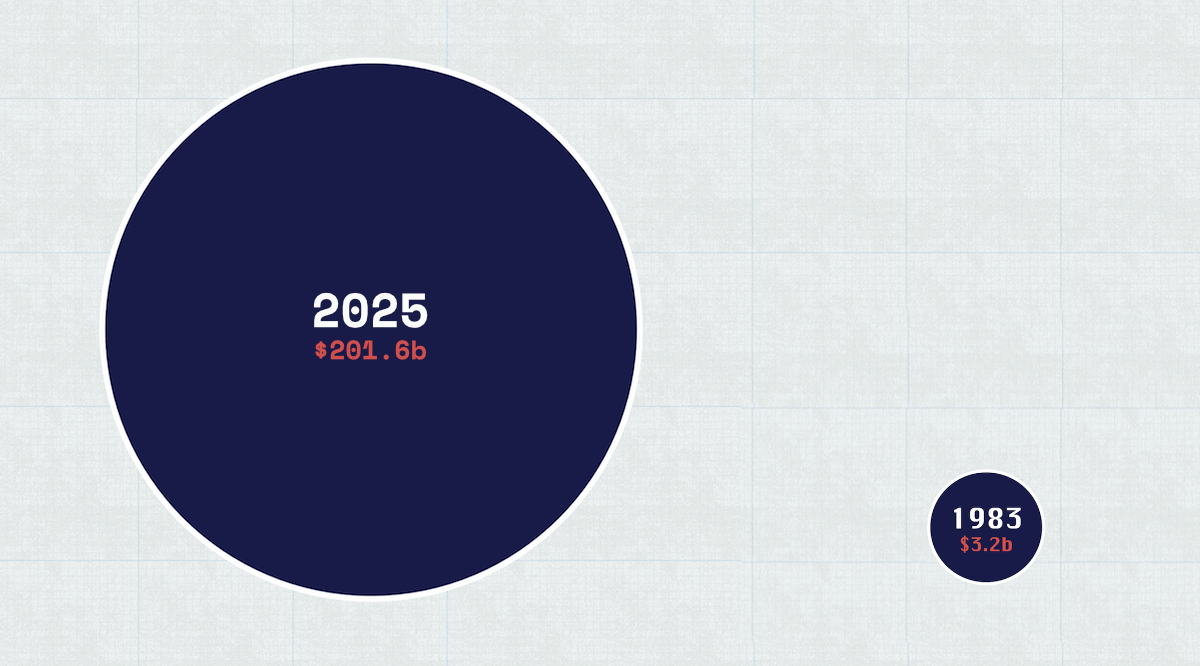
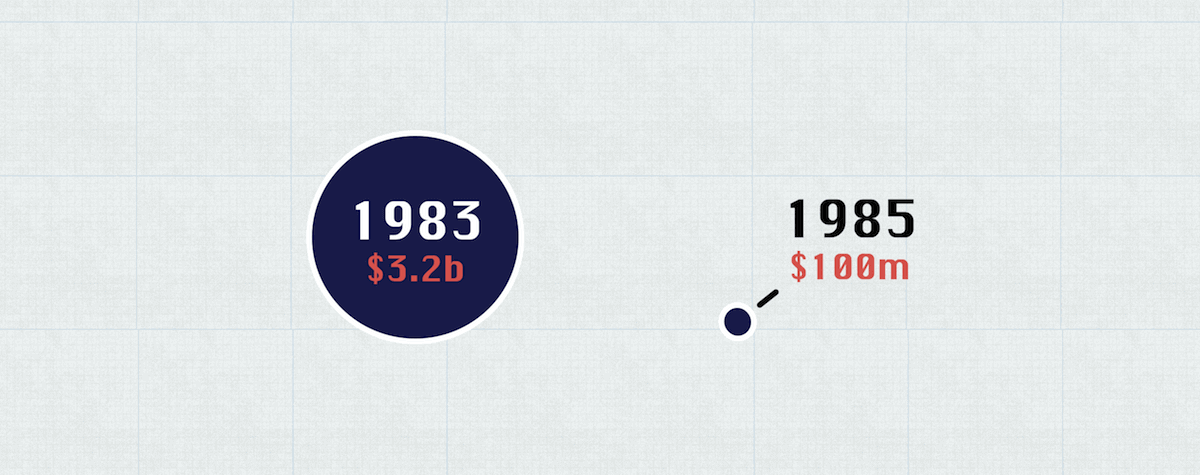
Then, between its 1982-83 peak and 1985, the North American market contracted by roughly 97%, from about $3.2 billion to around $100 million. Companies got wiped out and plenty of analysts called the end of home video games entirely.
The immediate fallout: smaller third-party developers folded, and the toy stores that had been the main distributors decided games were a passing fad and pulled them off the shelves. Growth flatlined for years while the survivors tried to figure out what had just hit them.
One important caveat the textbook version often skips: this was largely a North American story. In Japan, Nintendo's Famicom was thriving. Across the UK and Europe, a home-computer scene was exploding, with kids coding games on Spectrums, Amstrads, and Commodores and trading them on tape. The "video games almost died" narrative is true if you were standing in a US toy aisle in 1984. From Tokyo or London, it looked a lot less like an apocalypse.
What caused the Crash?
A few forces piled up at once.
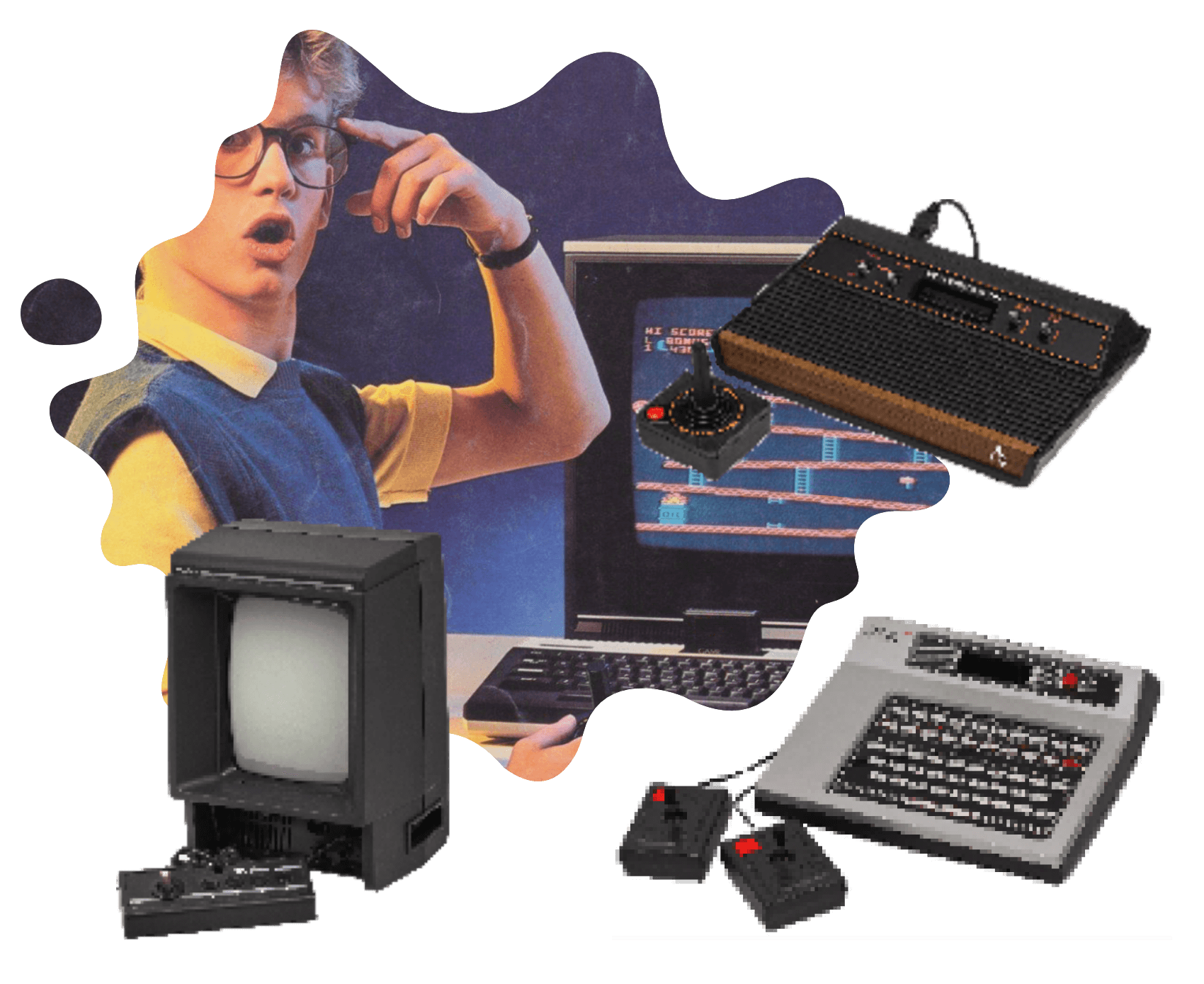
Too many consoles. By 1983, a buyer faced dozens of competing systems, each with its own library plus a sprawling web of third-party titles. It was confusing and it killed the social side of gaming. Drop a few hundred dollars on a console, then watch every friend buy a different one. Not much fun.
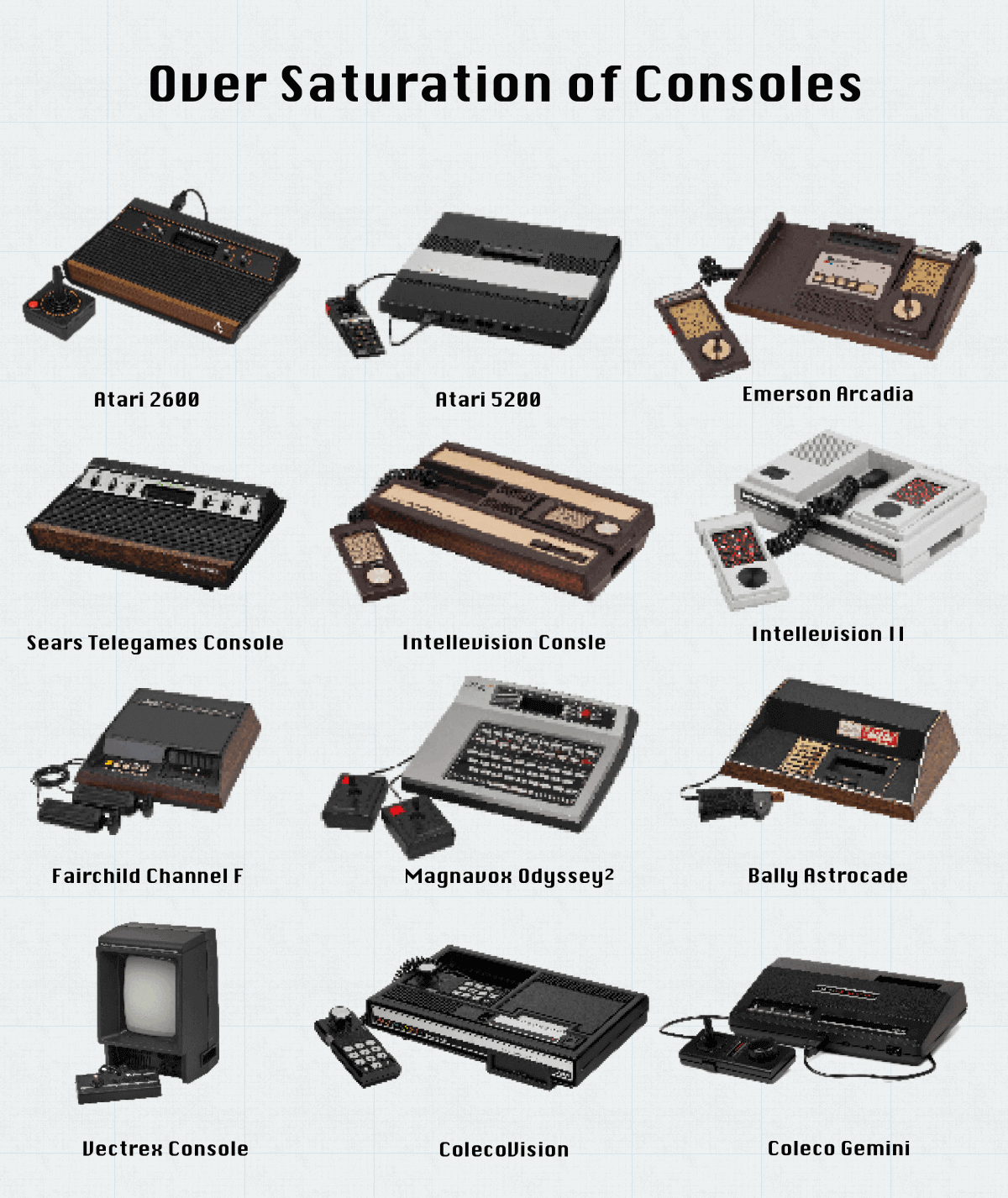
Too many bad games, and no way to stop them. After the late-70s boom, companies rushed to crank out titles as fast as possible. The deeper problem was that console makers had lost control of what shipped on their own hardware. Atari had tried and failed in court to regulate third-party development for its machines, which set a precedent: anyone could make a game for any system, and any technical lockout just got reverse-engineered. A few third parties like Activision made genuinely great games. Most didn't have the chops. The shelves filled with junk, some of it from companies with no business making games at all, like Quaker Oats and Purina Dog Food.

The home computer undercut everyone. While all this was happening, the personal computer makers were in a brutal price war. Commodore, which owned the chip company that supplied half the industry, deliberately undercut everyone with the C64 in a race to the bottom. By 1983, a home computer cost about what a console did, and it could do far more than play games. A lot of buyers jumped ship. The irony that ages well: Commodore's Jack Tramiel, whose price war helped torch the console market, later went and bought Atari.
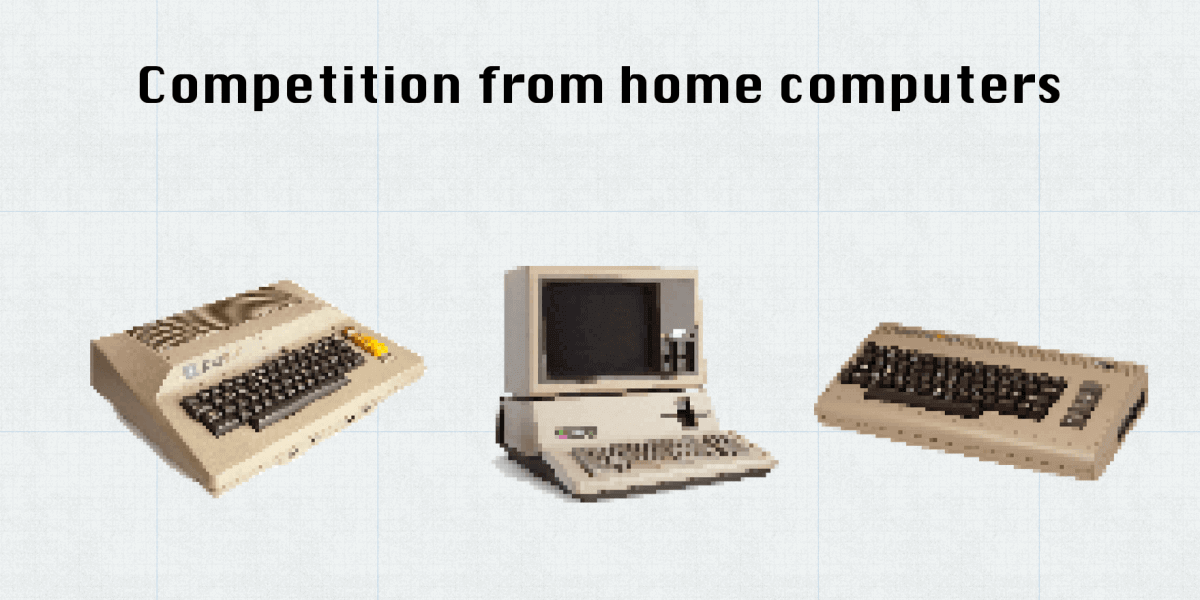
The final contributing factor to the crash was the competition from personal computers.
During the early 80’s, the major personal computer companies were locked in a fierce price war which brought down the overall cost of a computer drastically. By 1983, the cost of owning a home computer was comparable to owning a gaming console, and many consumers made the choice to jump ship. Computers had the ability to play games along with other functionalities that the consoles just couldn’t offer.
What ended the crash and saved video games?
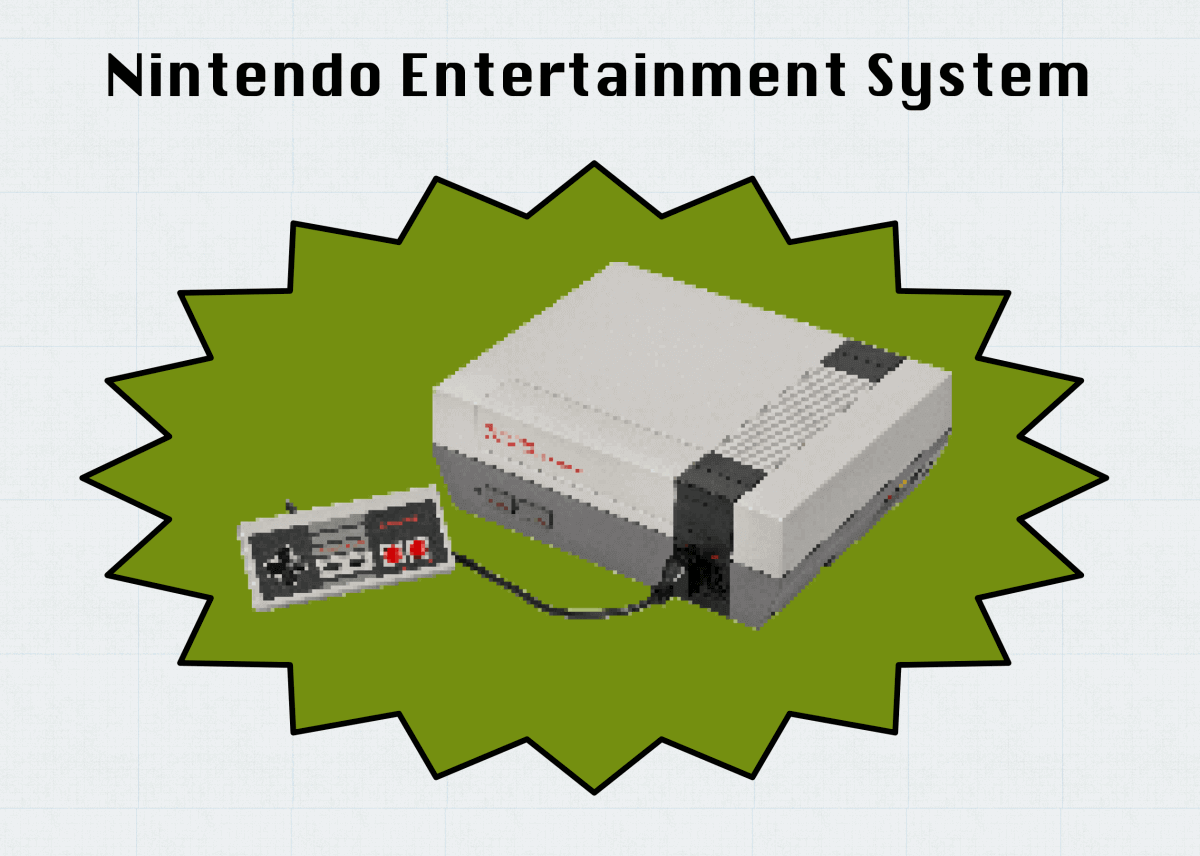
By 1985, the market started to recover, and the engine of that recovery was the Nintendo Entertainment System.
In 1986, Nintendo president Hiroshi Yamauchi said Atari had collapsed because it gave third-party developers too much freedom and let the market fill with garbage. The crash wasn't only an Atari problem, but that diagnosis was sharp, and Nintendo built its entire strategy around not repeating it.
So Nintendo shipped fewer, better games and kept an iron grip on third-party development. It put a lockout chip in the NES to block unauthorized developers from making games for the system at all. And it created the Official Nintendo Seal of Quality, which no game could be sold without. That basic idea, the platform holder gatekeeping what ships on its hardware, is still how every console works today.
By 1988, Nintendo owned roughly 70% of a resurgent North American market, pulling in $2.3 billion.
We never actually stopped playing
It's worth pushing back on the tidiest version of this story, the one where gaming simply died until Nintendo rode in to save it. That's not quite what happened.
Plenty of people just kept playing. Atari games kept selling, Intellivision's IP outlived Mattel's exit and shipped new titles into the 90s, and a huge number of players migrated to home computers like the C64 and its enormous catalog. The crash was a real and brutal contraction of the console business in one region. It was not the death of the hobby. A useful way to think about it is less "the industry died" and more "a bubble burst," the same way the dot-com crash later cleared out the speculators and the unsustainable business models while the real thing kept going.
What were the lasting impacts?
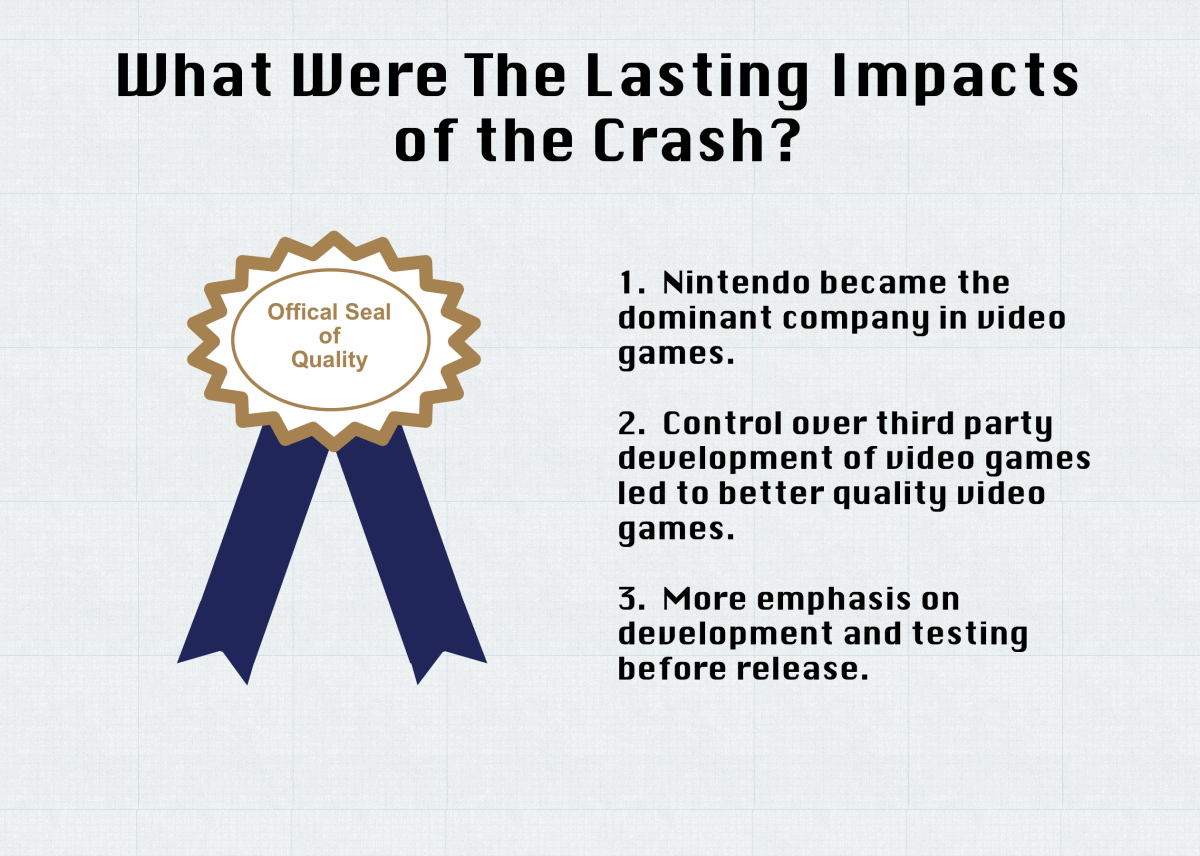
Three changes stuck.
The center of gravity shifted to Japan. Before the crash, North American companies led, with Atari out front. After it, Japanese companies moved into the lead, with Nintendo and SEGA out front.
Platform holders got to decide what ships. The lockout-chip-and-seal model gave console makers control over the quality of what reached their customers. That rebuilt consumer trust and pulled up the floor on game quality across the board.
Testing stopped being optional. In 1983, a lot of companies assumed a game was a quick thing you could throw together. The backlash against all that shovelware killed that assumption for good. Ship something broken and the market remembers.
That last one is the part we think about a lot. The whole reason crash reporting exists is that "ship it and hope" stopped being a viable plan somewhere around the time those E.T. cartridges went into the ground. The industry isn't perfect now, and not every release is a masterpiece. But it's been a long time since anything was as bad as E.T. and that's not an accident. It's the lesson of 1983, still doing its job.